10624 : Breaking the Code: Color Coded Music Notation for Students with ASD in Music
- Shipping:
- Calculated at Checkout
- Seller:
- MusicKamp








Description
Does music notation feel like a barrier instead of a bridge for some of your students?
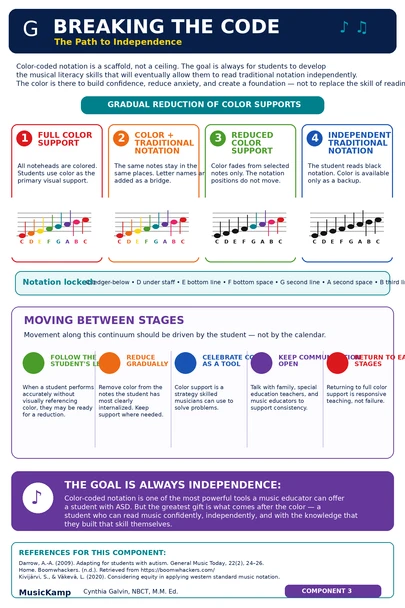
For students with Autism Spectrum Disorder, the abstract visual complexity of traditional music notation can create a processing wall that has nothing to do with musical ability. Breaking the Code gives you a research-backed, classroom-ready framework for using color-coded notation to reduce that barrier — and build the skills students need to eventually read music independently.
This resource is for elementary music educators who want practical, evidence-based tools for supporting students with ASD — and who believe that every student deserves real access to music literacy.
✦ WHAT'S INSIDE
This 14-page educator guide is organized into six components:
Component 1 — Educator Reference Guide Understand the research foundation for color-coded notation, why traditional notation creates specific challenges for students with ASD, and how color works as a cognitive scaffold — not a shortcut.
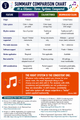
Component 2 — Three Color-Coded Systems Compared Side-by-side breakdown of Figurenotes, Colourstrings, and Boomwhacker Colors — including origins, how each system works, strengths, limitations, and ASD considerations — plus a full summary comparison chart.
Component 3 — The Case for Boomwhacker Colors A focused look at why Boomwhacker Colors is the most transferable, classroom-ready option for elementary music settings: predictability, uniformity across instruments, and a seamless path from general music to band and orchestra. Includes a practical guide to instruments, recorder notation, and notation software (Sibelius and Finale).
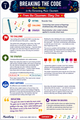
Component 4 — Do's & Don'ts + Implementation Tips A quick-reference guide to getting it right from the start — what to do, what to avoid, and a three-part implementation checklist covering Preparation, Communication, and Ongoing Monitoring.
Component 5 — From the Classroom: Story One & Story Two Real classroom narratives — one from recorder class, one from beginning violin — showing exactly how color-coded notation was introduced, what happened, and what the outcomes reveal about access, independence, and confidence.
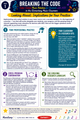
Component 6 — Looking Ahead: Implications for Your Practice Reflection prompts and forward-thinking questions for professional growth, cross-program coordination, and engagement with the growing research landscape in inclusive music education.
Includes a full Works Cited page with APA references.
✦ WHO THIS IS FOR
- Elementary music educators (K–5) serving students with ASD in inclusive or pull-out settings
- Music specialists preparing for IEP team conversations about music accommodations
- Educators already using Boomwhackers who want to extend color-coding across their curriculum
- Music teachers new to adaptive strategies who want a research-grounded starting point
✦ KEY CONCEPTS COVERED
Color-coded music notation • Boomwhacker Colors • Figurenotes • Colourstrings • ASD and music literacy • Cognitive load reduction • Scaffolded notation • Gradual release of color supports • Inclusive music education • Universal Design for Learning in music
✦ IMPORTANT NOTES
→ This is an educator reference and planning guide — not a set of student-facing worksheets or song sheets. It is designed to inform your instructional approach, help you choose a color system, and implement it effectively.
→ Color-coded sheet music, student activity pages, and song sheets are available separately in the MusicKamp store.
→ This guide recommends Boomwhacker Colors as the strongest fit for most elementary music settings, but presents all three major systems objectively so you can make the best choice for your students and classroom environment.
✦ A NOTE FROM THE AUTHOR
"The goal was never to make the music easier. The goal was to make the notation system stop getting in the way. Color-coded notation gives students access to the music that has always been there."
— Cynthia Galvin, NBCT, M.M. Ed. | MusicKamp
See It. Say It. Play It. Feel It.
Related Products
Related Products


Color by Code: Music Note Names

10624 : Music Vocabulary Poster | Visual Word Wall for Elementary Music & ELL Students


Musical Notation Escape Room
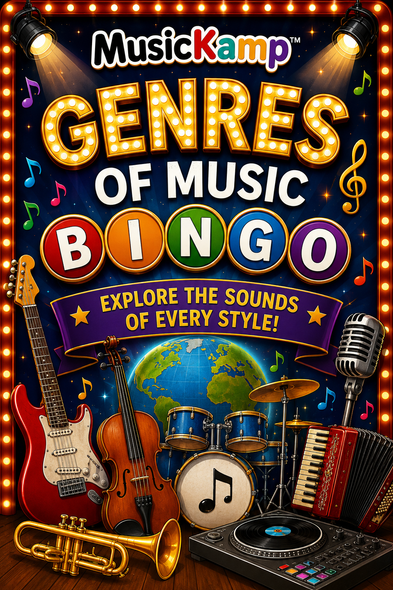

10624 : Genres of Music Bingo | Music Listening Activity