
10624 : Band is For Everyone: Beginning Band for Learners with ASD

- Shipping:
- Calculated at Checkout
- Seller:
- MusicKamp






Description
Finally — a beginning band resource built specifically for students with ASD.
A student with ASD walks into your band room on Day One. They have an IEP, a 504 Plan, and maybe a BIP. They want to play an instrument. They deserve a seat in your ensemble.
Are you ready?
If the honest answer is "I'm not sure" — this resource was written for you.
Band is for EVERYONE: Bringing Beginning Band to Learners with ASD is a comprehensive, research-backed educator guide that gives band directors the knowledge, tools, and confidence to welcome, support, and celebrate every student who walks through the door — regardless of ability or disability. Written by a National Board Certified music teacher with a Master of Music in Music Education from the Boston Conservatory at Berklee, this guide grew out of graduate research and a presentation delivered at Berklee in 2023. Every strategy, checklist, and framework inside is rooted in both peer-reviewed research and 21 years of real classroom experience.
This is not a general special education guide with a band section tacked on. Every topic, every tool, and every example was built for the band room.
WHAT'S INCLUDED (38 pages):
6 In-Depth Components designed to take you step-by-step through everything you need to welcome, support, and celebrate a beginning band student with ASD.
Component 1 — Educator Overview & Rationale The "Why Band?" argument — why inclusion in music cannot stop at the general music classroom door, why students with ASD deserve a real seat in band on the instrument that speaks to them, and how this resource is designed to be used. Includes a full suggested order of use so you always know exactly where to start.
Component 2 — Special Education Documents Decoder for Band Directors A clear, practical guide to understanding the three key documents your student may arrive with: the IEP, the 504 Plan, and the BIP. For each document: what it is, what the key difference is from the others, exactly where to look as a band director, what to watch for, what questions to ask yourself, and a printable Quick Reference Checklist of key questions to answer before Day One.
Component 3 — Build Your Team: Collaboration Planning Guide Who to work with, what to ask them, and how to build the network of support your student needs — including a deep-dive on five key Related Service Providers (PT, OT, SLP, Social Worker/Counselor, and Behavior Specialist/BCBA), what each one knows, why they matter for band specifically, and the exact questions you should be asking each of them. Includes a critical note on scheduling and access equity, an advocacy talking point for use with administration, and a fillable My Team Contact Planning Sheet.
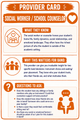
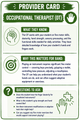
5 Individual Provider Cards (printable): Physical Therapist, Occupational Therapist, Speech-Language Pathologist, Social Worker/School Counselor, and Behavior Specialist/BCBA — each with What They Know, Why It Matters for Band, and Questions to Ask. Keep them in your binder or share them with your team.
Component 4 — Pack Your Toolbox: Band Room Strategies & Setup Guide Everything you need to set up your band room for success — including teaching strategies for modality, size and color, and pacing; a detailed guide to schedules and routine in the band room; sensory items to keep on hand; how to set up a break area (and why it's required if your student has a "frequent breaks" accommodation); and a complete Physical Toolbox Checklist organized into four categories: Instruction and Materials, Sensory Support, the Break Area, and BIP Compliance.
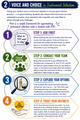
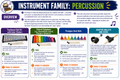
Component 5 — Voice & Choice: Instrument Selection Guide How to give your student real ownership in instrument selection — starting with a direct challenge to the "just put them in percussion" default that has no place in an inclusive band program. Includes a four-step framework for approaching instrument selection with a student with ASD, three pathways to instrument access (traditional with modifications, adaptive/alternative, and technology-based), and a thorough instrument-family breakdown with pros, considerations, and specific adaptive options for Woodwinds, Brass, and Percussion.
Component 6 — At-a-Glance Reference Card (front/back) A single two-sided reference card to print, laminate, and keep in your binder all year. Covers documents at a glance (IEP, 504, BIP), a quick team contact list, band room setup checklist, instrument selection quick reference across all three families, and five reminders to carry with you every day.
1 Fillable Tool: My Team Contact Planning Sheet — identify your student's full support team before Day One and document the key information each person brings to your band setting.
Full References, Works Cited & Resources Page — organized into three sections: academic and professional references (with component citations), instrument and product resources (with sources), and additional reading for deeper learning.
THIS RESOURCE IS PERFECT FOR:
- Beginning band directors with a student with ASD joining their program
- Experienced band directors seeking updated, research-backed strategies for inclusive programming
- Music educators who want to advocate for inclusive scheduling so students with ASD actually have access to band
- Any music teacher looking to make their room more welcoming for ALL learners — because what helps our neurodiverse students often helps everyone
WHY THIS RESOURCE IS DIFFERENT:
✔ Written by a band director for band directors — not adapted from a general education or general music template
✔ Grounded in peer-reviewed research, with full APA citations organized by component so you can trace every claim to its source
✔ Goes beyond the basics — includes the Related Service Provider deep-dive you won't find anywhere else, with specific questions to ask your PT, OT, SLP, Social Worker, and BCBA before the first rehearsal
✔ Confronts the "percussion default" head-on — and gives you the tools to say yes to any instrument, any student
✔ Covers IEPs, 504 Plans, AND BIPs — not just the IEP — because band directors encounter all three
✔ Includes a scheduling equity section with a ready-to-use advocacy talking point for your administration
✔ Designed to be used before a student arrives, on Day One, and returned to throughout the year — not just filed away after one read
A NOTE ON FORMAT: This resource is a high-quality, designed PDF. It is an educator reference, planning guide, and professional development tool — not a set of student-facing worksheets or lesson plans. The My Team Contact Planning Sheet is fillable digitally or can be printed and completed by hand. The At-a-Glance Reference Card and Provider Cards are designed to be printed and kept in your band teacher binder for quick access all year long.
Related Products
Related Products


10624 : Band Instrument Parts Vocabulary Cards | Beginning Band & ELL/MLL Support

10624 : Summer Practice Bingo for Band —

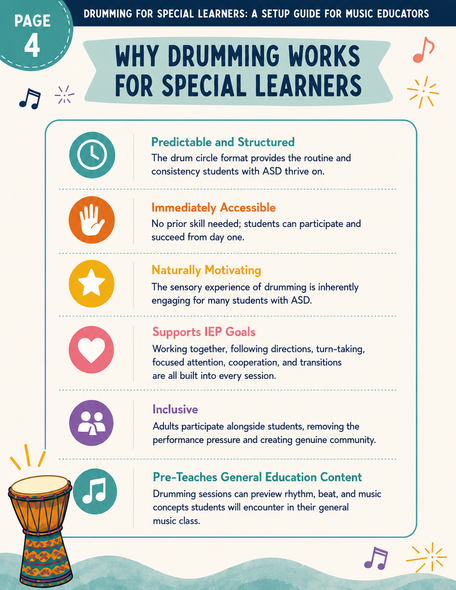
10624 : Drumming for Special Learners – Music Teacher Resource Pack | ASD Autism Adapted

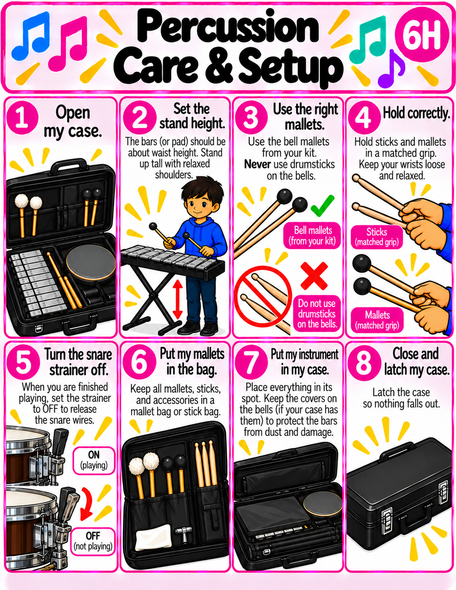
10624 : Beginning Band Instrument Care Posters | 8-Step Setup Routine for Grades 3-8

