
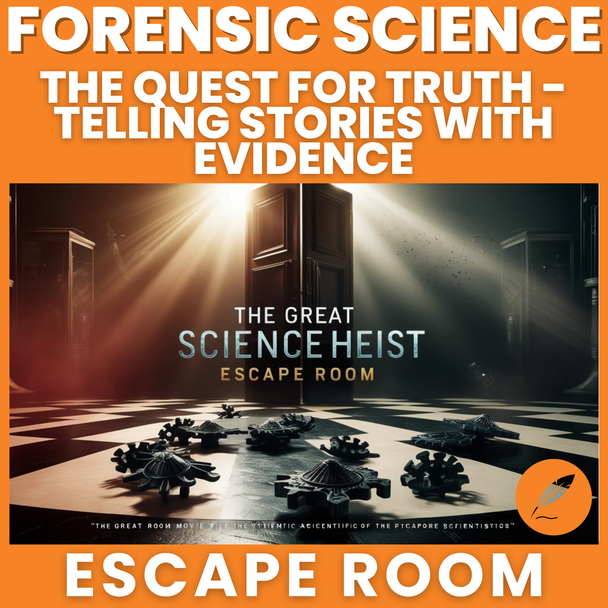
Forensic Science: Types of Evidence & Blood Spatter Analysis Digital Escape Room



Description
CRIME SCENE INVESTIGATION: THE EVIDENCE CHALLENGE
Can your students solve the mystery using forensic science?
Step behind the yellow tape with this immersive Forensic Science Digital Escape Room. From identifying Types of Evidence to mastering the physics of Blood Spatter Analysis, this activity turns a complex science unit into a high-stakes investigation that students will love.
The Ultimate "No Prep" Forensics Solution: Perfect for High School Forensic Science and Biology, this resource is a "plug-and-play" Science Sub Plan. Students work as lead investigators to decode digital locks while mastering the technical aspects of Crime Scene Investigation (CSI)—all with zero prior setup or grading required.
Core Curriculum Concepts Covered:
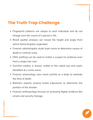
• Types of Evidence: Differentiating between direct, circumstantial, physical, and biological evidence.
• Blood Spatter Analysis: Investigating patterns, velocity, and the physics of blood at a crime scene.
• Trace Evidence: Understanding the importance of hair, fiber, and soil in an investigation.
• CSI Procedures: Following the correct protocols for evidence collection and preservation.
• Forensic Biology: Applying biological principles to criminalistics and legal investigations.
The Six "Science Ninja" Challenge Types:
- True/False Factoids: Debunking common myths about forensic evidence.
- Reading Comprehension: The science and history of bloodstain pattern analysis.
- Forensic Terminology Matching: Defining the language of the crime lab.
- Evidence Unscramble: Deciphering the clues left behind at a scene.
- Criminalistics Riddles: Clue-based identification of evidence types.
- Logical Sequencing: Ordering the steps of a crime scene processing.
Ideal for: Forensic Science curriculum, Biology units, STEM electives, Emergency sub plans, and High School Science.
Want to see a Science Ninja mission in action? Download this Earth Day Environmental Science Escape Room for FREE
Related Products
Related Products

Movement Analysis Digital Escape Room

DNA Profiling & Fingerprinting: Forensic Science Digital Escape Room (Biology Sub Plan)

Blood Brothers Digital Escape Room


3rd Gen Science Digital Escape Room