
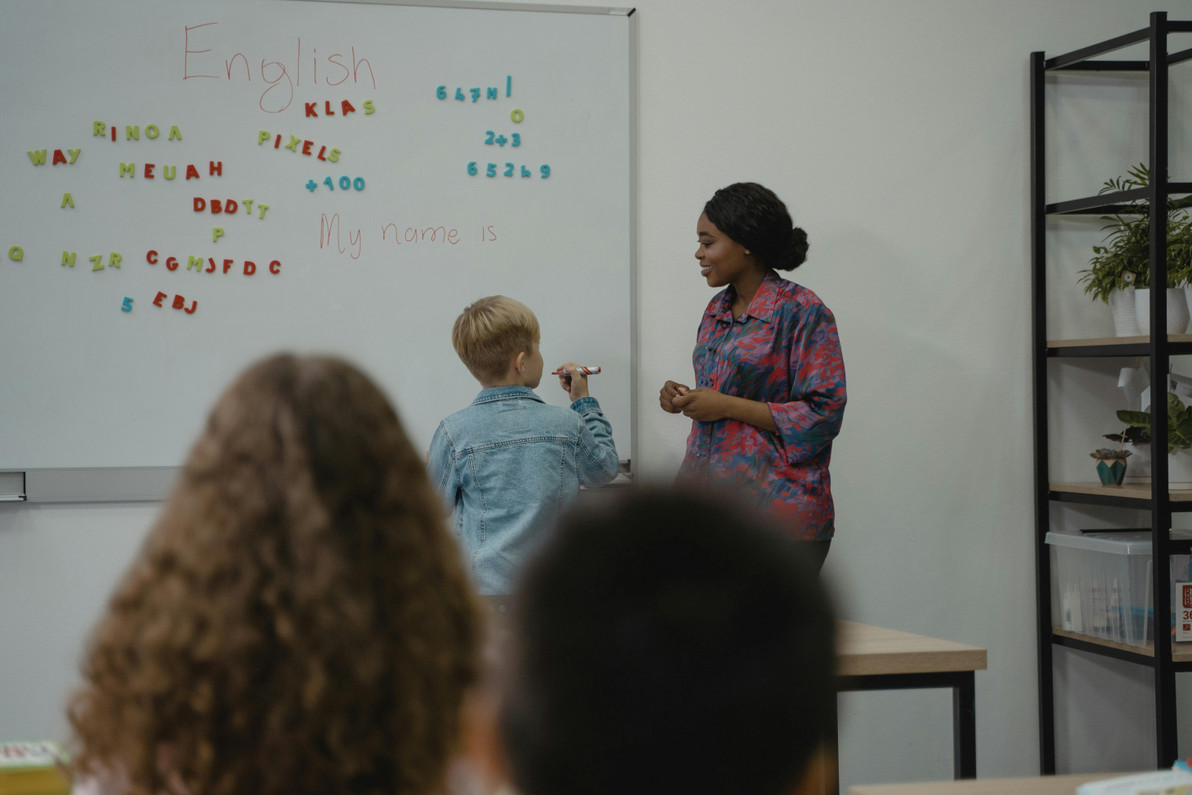
How Educators Can Promote More Inclusive Learning in the Classroom
How Educators Can Promote More Inclusive Learning in the Classroom
Education involves more than just bringing children into a classroom. It is about ensuring they feel truly welcome and supported once they arrive.
Right now, we are facing a massive challenge in global learning. According to the World Bank, 244 million children and youth between the ages of 6 and 18 are completely out of school. Even for those who do attend, many marginalized students face invisible barriers that keep them from truly succeeding.
The numbers show just how difficult the journey can be. Over 40 percent of students who start primary school don't make it to upper secondary school by the time they should. This suggests that somewhere along the way, the system isn't meeting their needs.
This article explores how educators can change that. By promoting more inclusive learning, teachers can bridge these gaps and ensure every student, regardless of their background, has a fair shot at finishing their education.
Understanding The Scope of Inclusion in Today's Classrooms
Inclusive education starts with the idea that every student deserves to learn in a place where they feel seen and valued, no matter their background or how they learn. It applies to students from all cultural, linguistic, and socioeconomic backgrounds. While this approach benefits everyone, the rapid increase in students with disabilities shows just how urgent this work has become.
Between 2021 and 2023, schools added more than 539,000 students eligible for special education services. By the fall of 2023, that total reached nearly 7.9 million. This growth is moving at an incredible speed. Experts note that it once took twenty years to add a million students to these programs, but we are now on track to see that same jump in just five years.
For teachers, these figures confirm what they see in their classrooms every day. Inclusive teaching isn't just a niche skill or an extra task. It is a fundamental part of what it means to be an educator today.
Build Culturally Responsive and Differentiated Instruction
Differentiation isn't about creating dozens of separate lesson plans. It's about building enough flexibility so that multiple ways to learn exist at the same time. This meets students where they are. This approach works best alongside culturally responsive teaching. When students see their own languages and experiences reflected in the curriculum, they feel they truly belong.
However, as Education Week notes, a disconnect can occur when teachers aren't familiar with their students' backgrounds. Unintentional biases or microaggressions can harm the learning experience. To avoid these traps, educators must look past stereotypes and seek a deeper understanding of each student's unique cultural context.
This happens through meaningful conversations with families and by inviting diverse perspectives into every lesson. By bringing these approaches together, teachers show every learner that their voice isn't just included, but is essential to the classroom community.
Strengthen Teaching Practice Through Advanced Academic Learning
Advancing inclusive teaching often requires more than short-term training. It grows through deeper engagement with research, policy, and real-world practice. For educators who want to create change beyond their own classrooms, higher academic study can provide that foundation. Many now explore online doctoral programs in education, which offer the flexibility to continue teaching while building advanced expertise.
These programs prepare educators to design, evaluate, and advocate for inclusive practices at a broader level. They explore areas such as equity, curriculum development, and educational policy, helping educators understand why gaps in inclusion exist and how to address them effectively.
According to Marymount University, this level of study is aligned with industry best practices and equips educators to drive positive change and improve outcomes across schools. For those moving into leadership or research, doctoral-level study helps turn inclusive teaching into lasting impact.
Create Physical and Psychological Safety for All Learners
Creating a safe classroom goes beyond lesson planning. It shapes how students feel, participate, and learn. When students feel judged, ignored, or uncomfortable, their ability to engage drops, no matter how strong the teaching is. Educators set the tone through respectful language, clear routines, and how they respond to student behavior.
Psychological safety means students can ask questions, share ideas, and make mistakes without fear of embarrassment. According to Frontiers, students are more likely to participate meaningfully when they feel safe, especially in situations involving peer feedback or public evaluation.
The study highlights that public criticism can feel like social exposure, while supportive, well-framed feedback encourages learning. Teachers play a key role in creating this balance.
Physical safety matters too. Classrooms should be accessible, with flexible seating, inclusive materials, and tools that support diverse needs. Together, these efforts create an environment where every student feels secure, valued, and ready to learn.
Practical Strategies Educators Can Implement Today
There are several practical strategies educators can begin using right away to support inclusive learning.
Universal Design for Learning (UDL) is a popular framework that builds flexibility into every lesson. By offering various ways for students to engage with material and show what they know, educators make learning accessible from the very beginning. This proactive approach ensures that support is built in rather than added as an afterthought.
Flexible grouping, peer learning, and co-teaching models also help meet diverse needs in the classroom. Regular formative assessments allow teachers to identify learning gaps early and adjust instruction before students fall behind. Building strong partnerships with families and support staff further strengthens inclusion, ensuring consistent support beyond the classroom.
Policies like the Individuals with Disabilities Education Act (IDEA) also guide inclusive practices. IDEA ensures students with disabilities receive a free appropriate public education and outlines safeguards that protect their rights.
Frequently Asked Questions (FAQs)
What is the difference between inclusive education and special education?
Special education provides targeted services for students with disabilities, typically in dedicated settings. Inclusive education, by contrast, integrates all students, regardless of ability, into general classrooms with tailored supports. Inclusion aims for equitable access to the same learning environment, beyond mere physical proximity to peers.
How can teachers support students with disabilities without singling them out?
Use Universal Design for Learning to build flexibility into lessons for everyone, rather than creating separate accommodations that draw attention. Normalise varied approaches to tasks, seating, and assessment across the whole class. When support feels like part of standard classroom practice, no student is isolated by the help they receive.
Can one teacher realistically create a fully inclusive classroom alone?
Inclusion is most effective as a whole-school effort. One teacher working in isolation faces real structural limits. However, individual educators can make a significant difference through strong relationships, flexible instruction, and family partnerships. Advocating for co-teaching models, shared planning time, and administrative support expands what any single teacher can achieve.
Inclusive learning is a philosophy lived out in every classroom interaction. Educators who commit to this work do more than improve grades. They shape a more equitable society. Whether you are refining daily lessons, pursuing a doctoral degree, or advocating for systemic change, every step toward inclusion matters.
The students who benefit most are often those the system has overlooked for too long. They deserve educators who are relentlessly committed to getting it right. By adopting these inclusive strategies, you provide every student with the essential support to thrive and truly feel like part of the community.
Recent Posts
-
SAT and ACT Support for Students
How to support students struggling with SAT/ACT time pressure in the classroom Most students who "ru …Aug 17th 2026 -

Practical Business Education: How to Choose Your First Commercial Space
Picking a first commercial space is one of those decisions that seems smaller than it actually is in …Jul 31st 2026 -
How to Introduce Students to Cybersecurity Careers
Cybersecurity is important to businesses on all scales, from minor startups to global companies. How …Jul 23rd 2026