
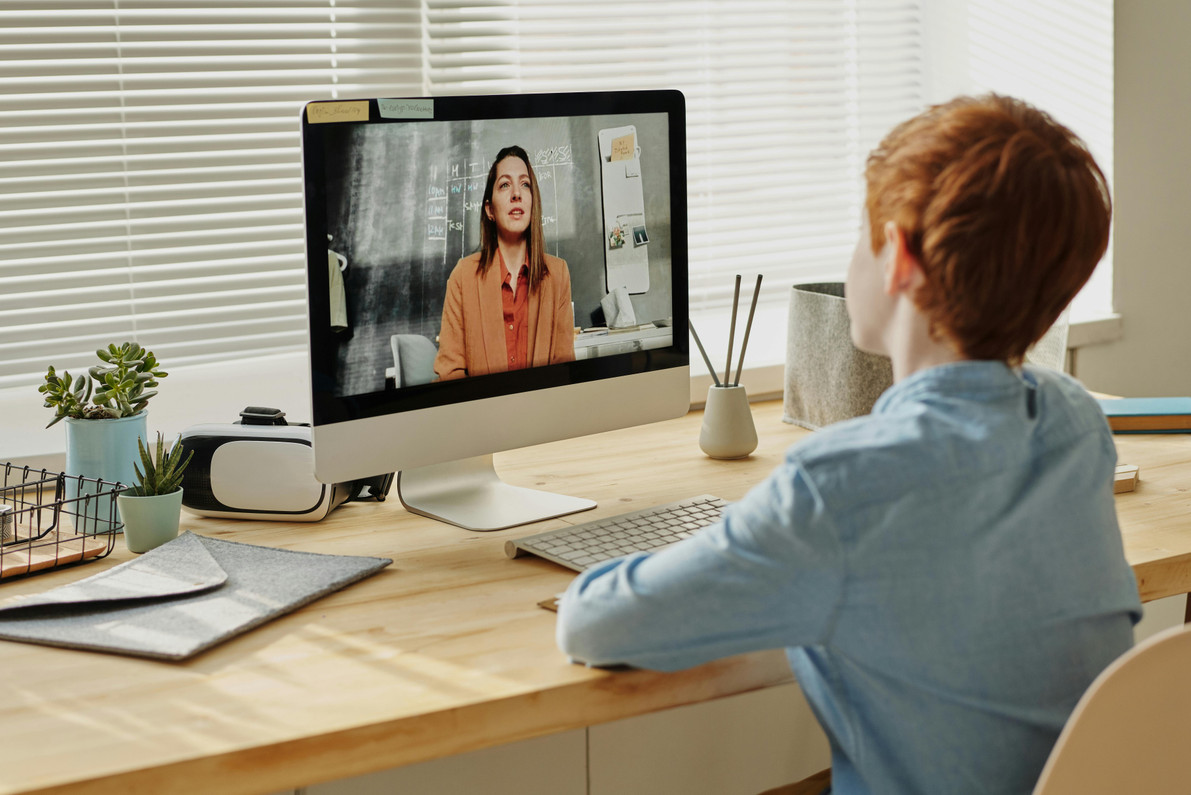
Remote Schooling and Teacher Jobs: How to Upskill For New Realities
Remote Schooling and Teacher Jobs: How to Upskill For New Realities
When the COVID-19 pandemic first struck the world, few could have predicted the extent of damage it would do. Nor could most people have guessed how it would transform the essence of how the world functions, from studying to working and everything in between.
Remote schooling, which gathered force during the pandemic, has now become a prevalent reality.
The Washington Post reports that home schooling has become the fastest-growing mode of education in America. Many children who were compelled to miss physical school during COVID-19 never returned to their former setting. The impact of the pandemic continues in schools, manifesting as tools for remote learning and software for AI-driven insights.
In these changed (and still changing) circumstances, teachers must upskill to adapt and thrive. Facilitating remote schooling requires specific skills to ensure that the children don’t miss enriching educational experiences. Moreover, teachers who find remote teaching uncomfortable can struggle to accommodate new responsibilities at work.
Identifying and Addressing Unique Student Needs
Teachers seeking to upskill for new realities can draw insights from the factors propelling homeschooling.
A BBC feature observes that parents who make this decision could be acting based on several triggers, from their child’s allergies to visual difficulties or bullying. For many, homeschooling is a last resort they are compelled to take because their child’s special needs remain unmet.
Budgetary limitations may also compel parents to move their children to remote schooling. Online courses and hybrid learning models can be cheaper than traditional schools and colleges.
Many children who participate in remote learning have similar factors at play. It is a middle route between regular and homeschool, especially because the latter may be unfeasible for households where both parents work full-time.
However, remote learning environments can worsen feelings of alienation in some students. They may perceive a lack of understanding by their teachers. The physical distance can make children feel unheard and unseen. Online modes of learning are not immune to problems like bullying and the pressure of lagging behind peers, either.
Teachers seeking remote jobs must develop an in-depth understanding of student behavior, identifying individual motivations and limitations. It will require periodic one-on-one interactions with students and guardians for continued assessment and feedback.
Leadership Competencies for Remote Educational Settings
The new dynamic of the education sector also exposes teachers to human resource management issues that weren’t so apparent before. The USA Today reports that around 8% of educators quit the teaching profession during the pandemic, frustrated by the expectation to adapt to remote learning. They left behind troubled school administrations struggling to find substitutes.
However, it wasn’t only a resistance to new technologies that caused this attrition.
As it turns out, many teachers feel that their decision-making freedom is now curtailed. The higher political intervention in schools (especially during the pandemic) affects how much leeway they have in modifying curriculum materials. It creates a stifling environment, worsened by the inability to vent their concerns to inattentive leaders.
With remote schooling becoming more popular, teachers will need to develop leadership competencies to feel empowered and in control. Digital interfaces can make it more challenging to maintain transparency and build a fake veneer of normalcy. Therefore, learning to communicate effectively with colleagues and share recommendations for addressing grievances is now essential.
One approach to developing these competencies is academic, such as pursuing an EdD in Higher Education online. It can provide educators with a strong foundation and prepare them to support student success. They can also guide policy and help foster an inclusive campus community.
According to American International College, developing leadership competencies in this field can steer educators toward roles like advisors, administrators, and faculty leaders. While your responsibilities will increase, so will your power to make transformative changes for other teachers and students.
Analyzing Student Data for Personalized Instruction and Coaching
The growth of remote schooling also means that educators now have much more data available for taking action.
Online assignments and assessments make student performance data very accessible. Several computer-driven educational tools are highly individualized. When used optimally, they can help teachers derive specific insights into where students stand.
However, using edtech to advance learning goals for students will need teachers to develop data analysis skills—at least to a functional extent. The Smithsonian magazine observes that many teachers experience frustration when trying to read and analyze student data. After all, most erstwhile teacher colleges didn’t cover data interpretation.
This skill gap potentially renders volumes of data unusable, which is a pity. Moreover, remote teachers may have their performance appraisals connected to their ability to deliver data-driven insights. Over time, it can become an impediment to an educator’s career trajectory.
Teachers can sharpen these skills by participating in industry events focused on digital literacy. They can also advocate for in-house training sessions and cohort-based learning opportunities.
The growth of remote schooling presents a fascinating picture for stakeholders in education, from teachers and students to parents and policymakers. It has opened new career paths for teachers, who can now become coaches and mentors to those in remote regions with limited schooling facilities. They can also become instructors and guides for college students who wish to explore newer ways of learning.
Upskilling is crucial at this time to keep you well on your way to progress. For teachers, remote or otherwise, the learning journey must never stop.
Recent Posts
-
-
-
What a Field Trip Permission Slip Actually Protects You From (and Doesn't)
Every field trip starts the same way: a stack of forms goes home, parents sign at the bottom without …Sep 2nd 2026