
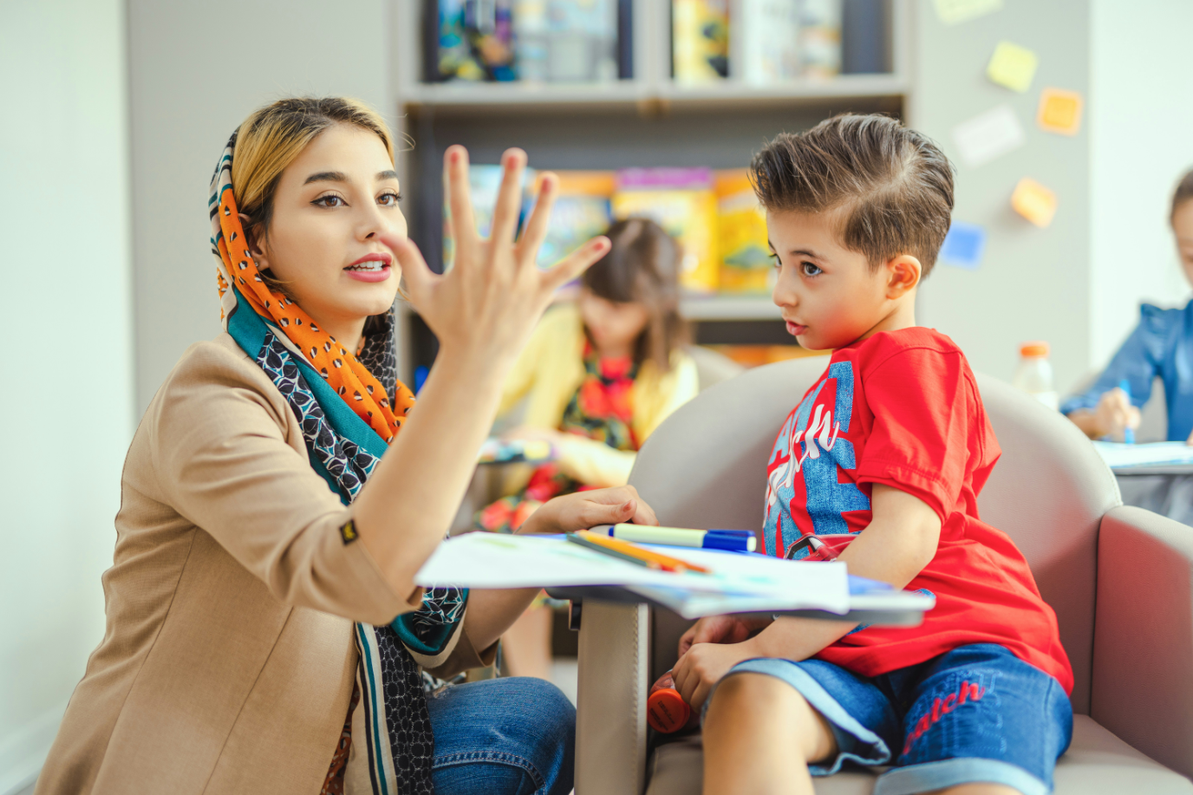
The Growing Importance of Social-Emotional Learning in Modern Classrooms
Academic achievement has long been a primary focus in education, but today's classrooms require a broader approach to student development. Teachers are increasingly recognizing that success extends beyond test scores, grades, and subject mastery. Along with academic knowledge, students should be able to understand their emotions, maintain healthy relationships, and respond to challenges constructively.
As educational priorities have evolved, social-emotional learning (SEL) has become a major focus of discussion among educators. SEL has become an essential part of creating environments where young people can thrive both academically and personally.
Modern classrooms are no longer viewed solely as spaces for academic instruction. They are also places where students learn skills that shape their interactions, resilience, and future success.
Understanding Social-Emotional Learning
Social-emotional learning helps students build self-awareness, self-regulation, social understanding, relationship-building abilities, and sound decision-making skills. These competencies help students recognize their emotions, understand others' perspectives, and respond effectively to different situations.
The value of SEL lies in its practical application. Students encounter challenges every day, whether they involve peer relationships, academic pressure, family circumstances, or personal struggles. Social-emotional skills provide a framework for handling these situations constructively.
̌Early support is essential because social and emotional skills begin developing at birth and influence daily life. This development involves building secure relationships and learning to recognize and understand both personal and others’ emotions.
In classrooms where SEL is integrated into daily learning, students often gain greater confidence in expressing themselves, resolving conflicts, and participating in collaborative activities. These skills help create a learning atmosphere in which students feel valued, encouraged, and actively involved.
Why SEL Matters More Than Ever
The demands facing students today differ significantly from those experienced by previous generations. Technology has transformed communication, social interactions, and access to information. While these advancements offer numerous benefits, they have also introduced new challenges related to mental health, stress, and emotional well-being.
Many schools now acknowledge the need for support systems that address students’ academic and emotional well-being together. This has led to greater collaboration among teachers, counselors, psychologists, and social workers.
Many professionals who enter student support roles pursue specialized training, and online education has been a strong enabler for this. Take, for example, social workers' programs. Cleveland State University notes that these can have 100% of coursework online. However, it is important to review the accreditation of such online programs.
Through accredited online social work programs, enthusiasts can develop the knowledge and skills needed to assist diverse student populations. Their specialized knowledge enables schools to develop strategies that assist students dealing with academic, social, and emotional difficulties.
When educators and support professionals work together, students receive guidance that extends beyond traditional instruction. This collaborative approach strengthens the overall learning environment and contributes to healthier school communities.
A Growing Mental Health Crisis
Mental health concerns among young people have become one of the most significant issues facing society today. Anxiety, depression, loneliness, and disengagement have become measurable trends across age groups. Since children spend a large portion of their day at school, educational institutions are increasingly expected to address these concerns.
About one in five teenagers in the United States experiences symptoms of anxiety or depression. Exposure to bullying and violence can further harm their mental well-being.
SEL is not a mental health treatment. But it functions as a powerful form of prevention. As a result, 74% of elementary schools in the United States have implemented formal programs focused on developing students’ social and emotional skills. The number reduces to 63% for all public schools, 58% for middle or combined schools, and 43% for high or secondary schools.
Learning to recognize and regulate emotions helps students strengthen their resilience against emotional difficulties. They are developing the kind of psychological flexibility that protects against breakdown when life becomes hard.
The Academic Argument
For some policymakers and parents, SEL has faced skepticism rooted in a concern that it takes time away from academics. The evidence tells a different story.
A peer-reviewed analysis found that K-12 students with regular access to social and emotional learning achieved higher test scores and grades. Students who participated consistently in SEL programs showed gains in academic performance. English language arts (ELA) scores increased by over six percentile points, and math scores rose by approximately four points.
Similarly, a meta-analysis covering 22 studies and 24,510 elementary and middle school students found the same. It concluded that SEL interventions had a positive effect on overall academic achievement. This included ELA, mathematics, science, and Grade Point Average (GPA), compared to standard practice.
This finding aligns with what neuroscience has long suggested. Emotion and cognition are not separate systems. They depend on each other. A student who feels anxious, disconnected, or invisible in the classroom cannot learn effectively, regardless of how strong the curriculum is.
SEL and Emotional Development Beyond Academics
The impact of SEL extends well beyond test scores. A growing body of research highlights its influence on how students understand themselves and interact with others.
Research on emotional learning in students found that it positively influences mental well-being, psychological resilience, and students' behavior. Students with strong social and emotional skills tend to achieve greater academic success and stay more involved in their learning.
“We place a strong emphasis on gratitude and empathy. Those two skills go a long way in improving the mood and culture in a school,” a middle school teacher from Ohio told EducationWeek.
As students’ emotional needs are addressed in classrooms, it translates to their social bonding and mental health outside. This helps achieve long-term goals that extend well beyond academics.
This breadth of impact is part of what makes SEL so valuable. It does not just help students pass tests. It lets them navigate friendships, setbacks, and the ordinary friction of daily life.
Frequently Asked Questions
Can social-emotional learning be integrated into STEM subjects?
Yes, social-emotional learning can be incorporated into STEM lessons without reducing instructional time. Collaborative projects, problem-solving activities, peer discussions, and engineering challenges naturally encourage communication, teamwork, and perseverance. Students often encounter setbacks during STEM tasks, creating opportunities to practice resilience, adaptability, and constructive feedback while working toward academic goals.
How can parents support social-emotional learning at home?
Parents can reinforce social-emotional learning by creating opportunities for open conversations about emotions, decision-making, and relationships. Giving children opportunities to talk about their daily experiences can strengthen emotional understanding and communication abilities. Consistent routines, positive role modeling, and healthy conflict resolution practices at home can complement what students learn in school.
Does social-emotional learning benefit high-achieving students?
Absolutely. High-achieving students often face pressures related to performance, expectations, and competition. Social-emotional learning can help them manage stress, develop healthy coping strategies, and maintain balance between academic success and personal well-being. These skills can also support leadership development, collaboration, and effective communication in advanced academic settings.
Key Social-Emotional Learning (SEL) Statistics and Facts
|
Youth experiencing anxiety or depression |
1 in 5 U.S. teens |
|
Elementary schools with a formal SEL curriculum |
74% |
|
All public schools with a formal SEL curriculum |
63% |
|
Improvement in English Language Arts (ELA) from regular SEL participation |
+6 percentile points |
|
Improvement in Math from regular SEL participation |
+4 percentile points |
|
Academic areas positively impacted by SEL |
ELA, Math, Science, and GPA |
Social-emotional learning has become an essential component of modern education because it addresses the human side of learning. Academic knowledge alone is not enough for students to thrive. They also require the skills to regulate emotions, develop strong relationships, make informed decisions, and handle challenges effectively.
As schools continue to support increasingly diverse student needs, SEL provides a framework for fostering healthy development and creating positive learning environments. Teachers, counselors, social workers, and administrators all play important roles in helping students build these skills. The growing emphasis on social-emotional learning reflects a broader understanding of what it means to educate the whole child.
Recent Posts
-
How Teachers Should Respond to Student Safety Concerns
How Teachers Should Respond to Student Safety Concerns Students don't always speak up directly when …Oct 9th 2026 -
Best Math Apps for Homeschooling: The Ones Kids Actually Open
Best Math Apps for Homeschooling: The Ones Kids Actually Open The best math app for your homeschool …Sep 29th 2026 -
From Worksheets to Real Talk: How Students Can Build Practical English Speaking Skills
Many students know how to identify verb tenses or complete vocabulary exercises. They also know how …Sep 26th 2026